
After the Crossing
You'll arrive in Southampton with a week of good reading behind you and the English countryside at your doorstep. Here's where to go next.
The QM2 docks in Southampton on a Saturday morning — and if you play it right, there's no reason to fly home immediately. I can help you plan a few extra days in some of England's most literary destinations, each within easy reach of the port.
~80 minutes by train
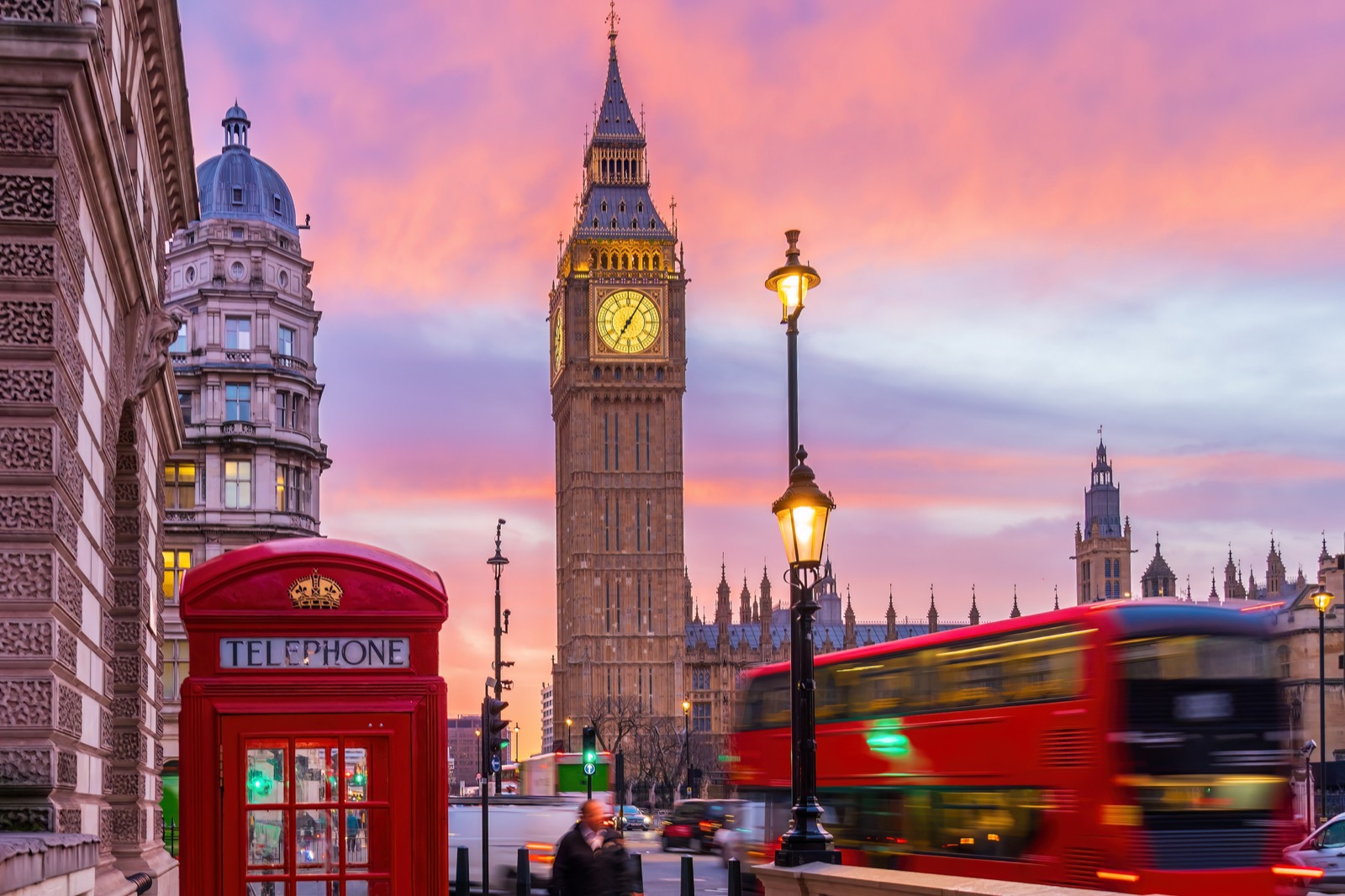
You already know the London of Dickens and Woolf and Zadie Smith. But walking its streets after a week of reading at sea is a different experience entirely — the city feels earned, slower, ready to reveal itself on your terms.
Spend a morning at the British Library turning pages of original manuscripts. Browse the stacks at Daunt Books on Marylebone High Street or Hatchards on Piccadilly — the oldest bookshop in London. Walk Bloomsbury and find the blue plaques that mark where the Woolfs held court. Take tea at the Cadogan Hotel where Oscar Wilde was arrested, or cross the Thames to Shakespeare's Globe.
London rewards the literary traveler who already knows what they're looking for. I'll build an itinerary around your reading — not a greatest-hits tour.
~2 hours by car
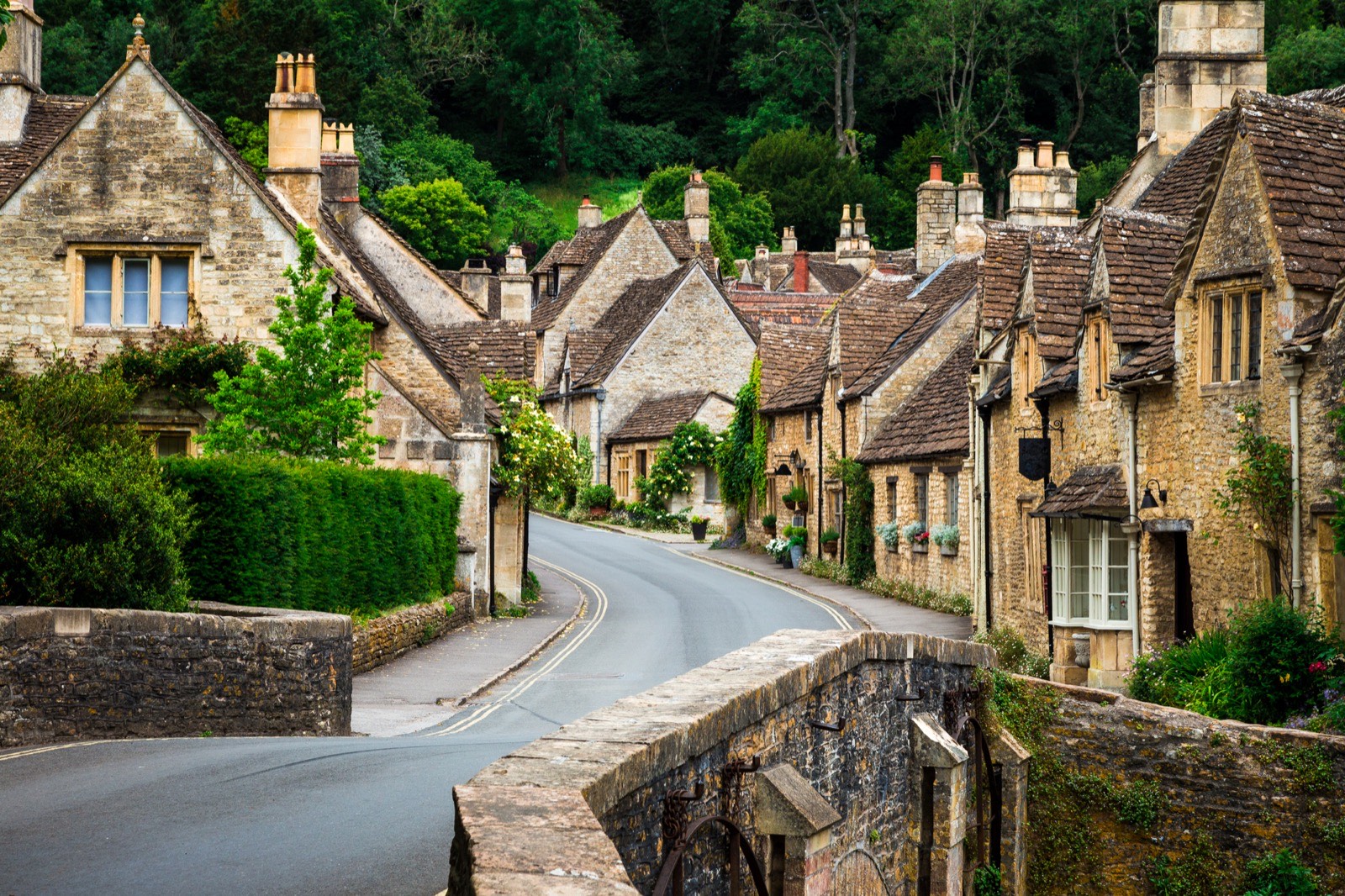
Honey-stone villages, low stone walls, and the kind of rolling countryside that has been inspiring English writers since the Middle Ages. The Cotswolds are where J.R.R. Tolkien found his Shire, where Laurie Lee wrote Cider with Rosie, and where Jilly Cooper set her Rutshire novels.
This is slow travel at its best: mornings walking footpaths between villages, afternoons in country pubs with a book, evenings in a converted barn or Georgian townhouse. Visit Chipping Campden, Stow-on-the-Wold, or Burford — each one small enough to feel like a secret and old enough to feel like a story you've already read.
The Cotswolds don't perform for tourists. They simply continue being beautiful, and reward anyone who slows down enough to notice.
~1 hour by train
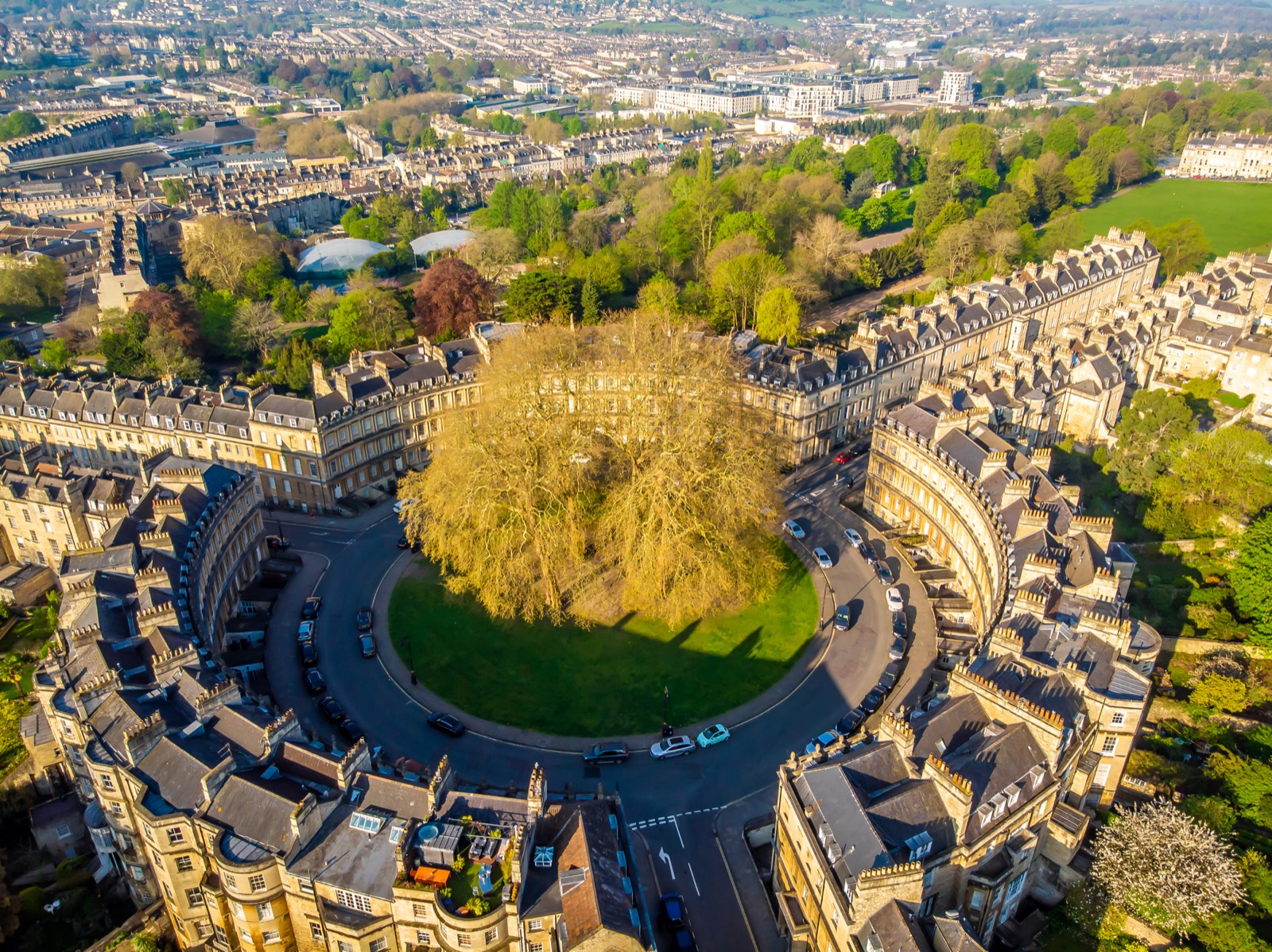
Jane Austen lived here. She set two novels here. And the city still feels like walking through one of her pages — Georgian crescents curve like sentences, the Pump Room echoes with the kind of polite conversation her characters perfected, and the Assembly Rooms still stand where Catherine Morland danced in Northanger Abbey.
But Bath is more than Austen. The Roman Baths are extraordinary — two thousand years of history in a single building. The Thermae Bath Spa lets you soak in naturally heated water on a rooftop overlooking the abbey. Mr B's Emporium of Reading Delights is one of England's finest independent bookshops. And the city's compact, walkable scale means you can see all of it without a car or a plan.
If you've read Austen and never walked the Royal Crescent, this is your chance to close that gap.
~3 hours by car
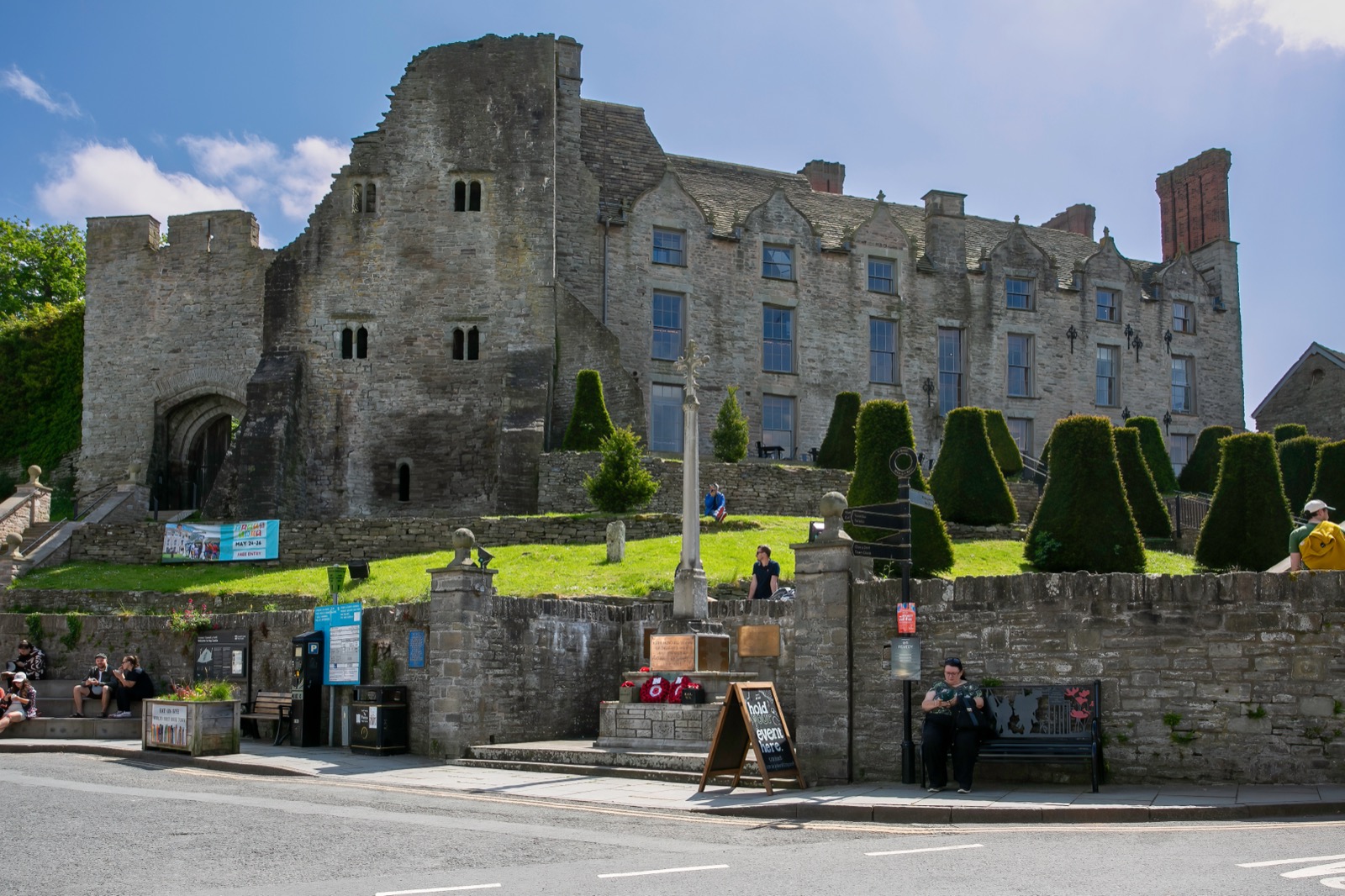
A town of 1,500 people with over twenty bookshops. Hay-on-Wye declared itself an independent kingdom of books in 1977, and it has been attracting bibliophiles ever since. The Hay Festival — held annually in late May — is one of the world's great literary festivals, but Hay is worth visiting any time of year.
Wander from shop to shop along narrow streets: Richard Booth's Bookshop (the one that started it all), Addyman Books for rare finds, the Poetry Bookshop for exactly what it sounds like. In between, you're on the Welsh border with the Black Mountains rising behind the town — some of the most dramatic walking country in Britain.
For the serious reader, there is no place quite like it. You will leave with more books than you arrived with. Plan accordingly.
~2.5 hours by train
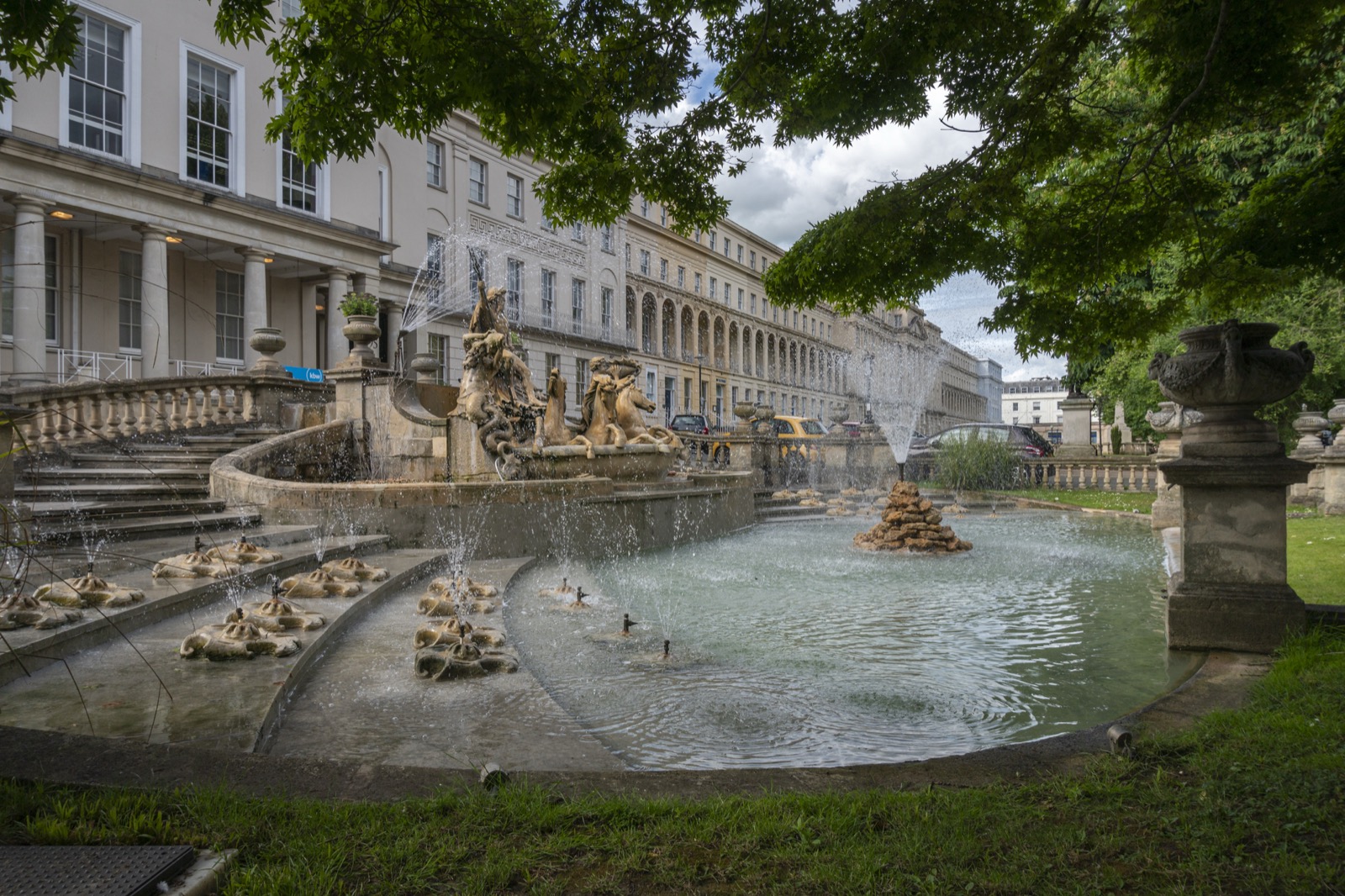
Cheltenham is a Regency spa town with wide tree-lined promenades, wrought-iron balconies, and an annual literature festival that rivals Hay. The Cheltenham Literature Festival — held each October — is the oldest in the world, drawing major authors, poets, and thinkers for ten days of readings, conversations, and events.
Even outside festival season, Cheltenham has a quiet cultural confidence. The town sits at the edge of the Cotswolds, making it an easy base for combining literary events with countryside walks. Its independent restaurants and boutique hotels punch well above what you'd expect from a town this size.
If your crossing aligns with the October festival, this extension practically plans itself.
~30 minutes by train
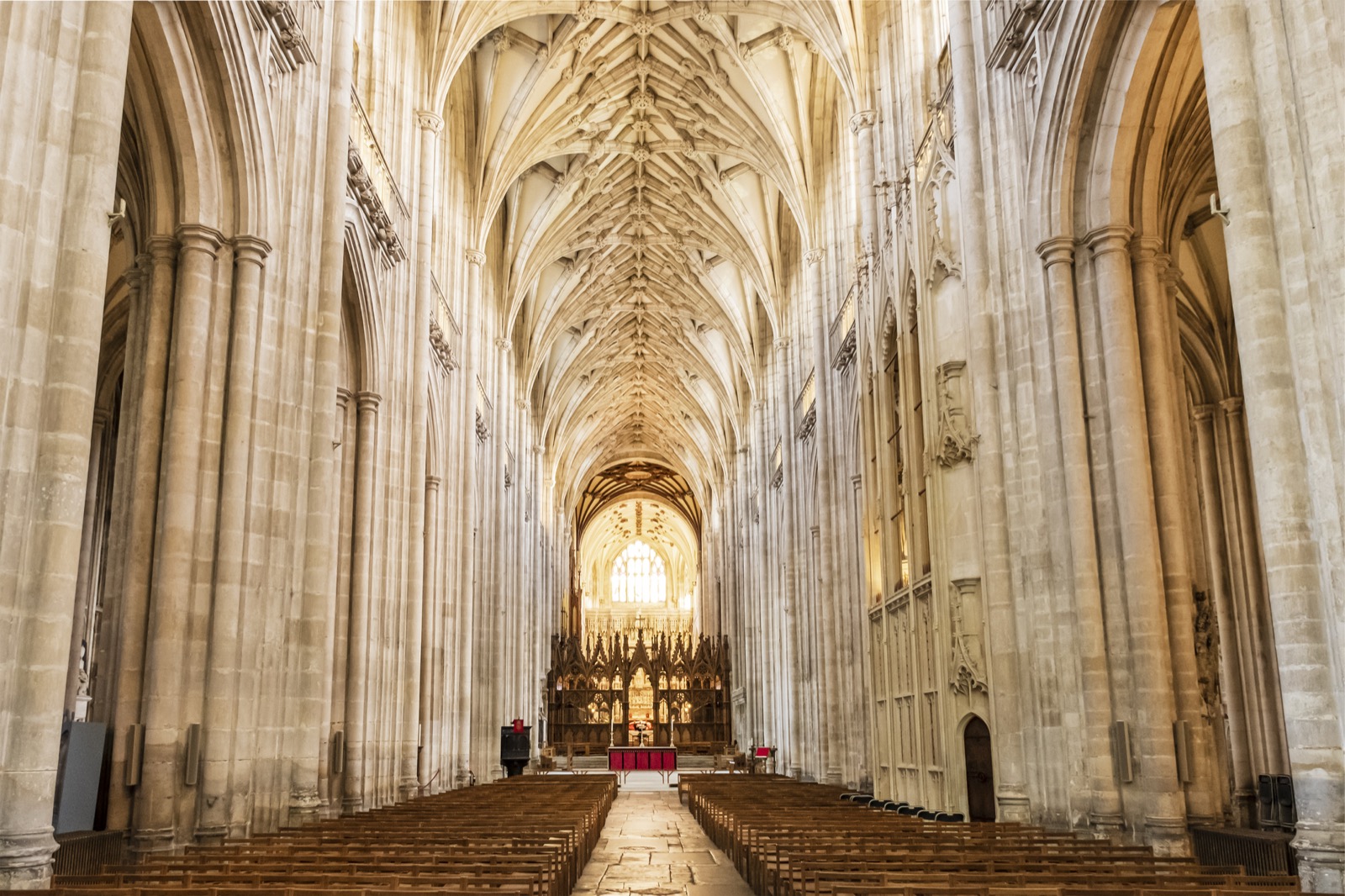
Jane Austen's final home — and her final resting place, in the north aisle of Winchester Cathedral. But Winchester's literary history runs far deeper. This was the capital of Anglo-Saxon England, the seat of King Alfred the Great (who championed literacy and learning), and the home of one of England's most magnificent medieval cathedrals.
The city is compact and walkable. Visit Jane Austen's House Museum in nearby Chawton, where she revised Pride and Prejudice and wrote Mansfield Park and Emma. Browse P&G Wells, a bookshop that has traded on College Street since 1729. Walk the cathedral close and the water meadows beyond — Keats walked here too, and wrote "To Autumn" in the rooms he rented nearby.
Winchester is the closest extension from Southampton, and one of the most rewarding. You could visit for a day, but it deserves at least a night.
~45 minutes by train

Salisbury Cathedral houses one of the four surviving copies of the Magna Carta and has the tallest spire in England — the one that Constable painted and that Ken Follett reimagined in The Pillars of the Earth. The medieval cathedral close is one of the most atmospheric places in England, and the city itself is a market town that has changed less than you'd expect in eight hundred years.
Ten miles north, Stonehenge stands in the middle of Salisbury Plain — five thousand years old and still unexplained. Whatever you've read about it, nothing prepares you for the scale of the stones against that open landscape. Visit at dawn or dusk if you can; the light does things that photographs cannot capture.
Together, Salisbury and Stonehenge offer a day that spans from Neolithic mystery to medieval faith — and both are an easy trip from Southampton.
Ready to Extend?
Every extension is custom — built around your interests, your pace, and however many days you can steal before heading home. Whether you want one night in Winchester or a full week winding through the Cotswolds and Bath, I'll handle the trains, the hotels, and the bookshop recommendations.
Trip announcements, curated reading lists, and the occasional dispatch — before anyone else.