
March 15, 2026
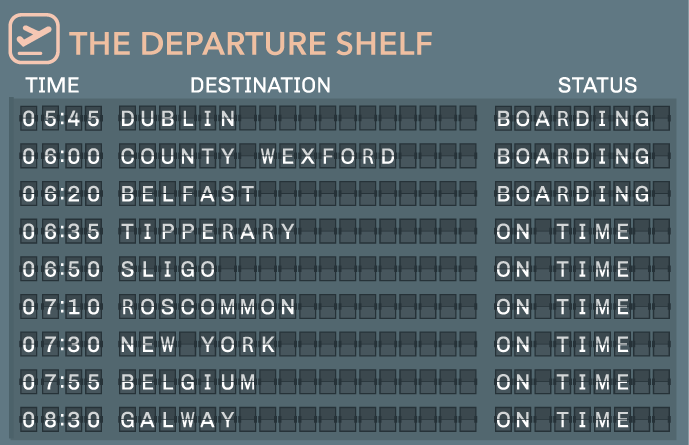
Irish-American Heritage Month falls in March, and there is no better time to remember that Irish literature is not a small thing. It gave us Joyce and Beckett, Edna O’Brien and Colm Tóibín, Sebastian Barry and Donal Ryan. It is a literature of land, exile, memory, and the peculiar Irish gift for making grief beautiful.
These six novels are an invitation. To the country. To the stories. To the particular light of the west of Ireland that makes you understand why so many writers have never been able to leave it alone.
The Departure Shelf is Early & Away’s monthly reading list for travelers who want to go deeper.
Setting: Enniscorthy, County Wexford & Brooklyn, New York, 1950s
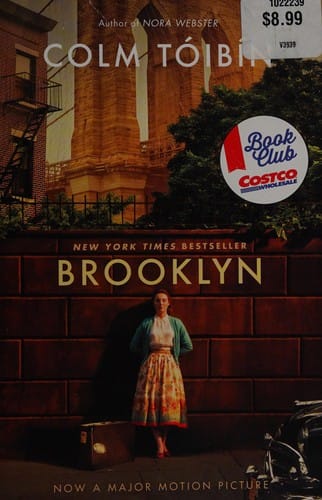
Eilis Lacey leaves the town of Enniscorthy for a new life in Brooklyn, carrying the weight of everything she left behind. Tóibín writes emigration the way it actually feels — not as adventure but as a slow erasure of one self and the uncertain construction of another. Quiet, precise, and devastating in its restraint.
Where it takes you: Enniscorthy, County Wexford, is one of Ireland’s most beautifully preserved market towns, with a Norman castle overlooking the River Slaney and a strong tradition of local storytelling. Tóibín grew up there, and you can feel it on every page.
Setting: Ulster and the west of Ireland, 1840s–1916
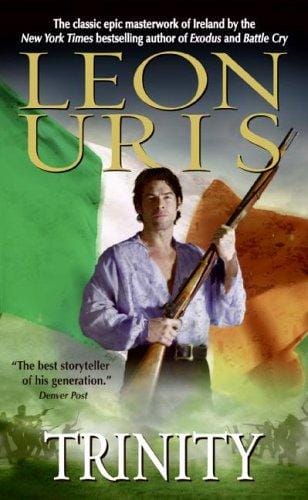
Uris traces three Irish families — Catholic, Protestant, and Anglo-Irish landlord — across nearly a century of famine, rebellion, and the long march toward the Easter Rising. It’s big, operatic historical fiction in the classic mode, and for many Irish-Americans, it was the first book that made Ireland feel like a real place rather than a family myth.
Where it takes you: The Donegal coastline and the lanes of Ulster that Uris researched extensively. For Irish-American readers tracing family roots in the north, Trinity provides both historical grounding and emotional context for landscapes that can otherwise feel like they belong to someone else’s story.
Setting: Rural Tipperary, post-2008 Ireland
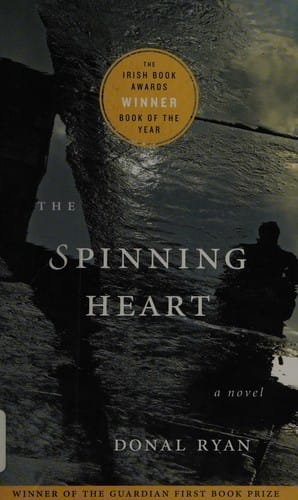
Twenty-one voices from a small Irish town in the aftermath of the economic collapse. Each chapter belongs to a different person — the builder who can’t pay his workers, the wife who hates him, the son who loves him — and together they form a portrait of a community fracturing under pressure. Ryan won the Guardian First Book Award for this debut, and it remains one of the truest novels about modern Ireland.
Where it takes you: Tipperary — often bypassed by tourists rushing between Dublin and the Wild Atlantic Way — is Ryan’s home country and the emotional landscape of everything he writes. The midlands of Ireland have their own beauty: quieter, less dramatic, and all the more honest for it.
Setting: Enniscorthy, County Wexford, 1960s–70s
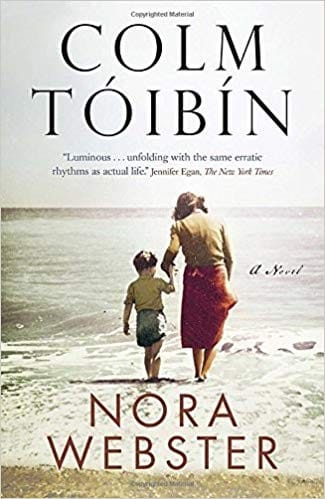
A widow in a small Irish town learns, slowly and painfully, how to be a person again after her husband’s death. Tóibín writes Nora’s interior life with a precision that feels almost intrusive — we know exactly how it feels to sit in the chair her husband used to occupy, to go back to work, to find, unexpectedly, that music saves you. A masterpiece of restraint.
Where it takes you: Enniscorthy again — and this time, you’ll feel the specificity of the town’s geography in a way you didn’t after Brooklyn. The streets, the estuary, the particular social world of a Catholic Irish town in the years after the Second Vatican Council.
Setting: Dublin and the Western Front, World War I
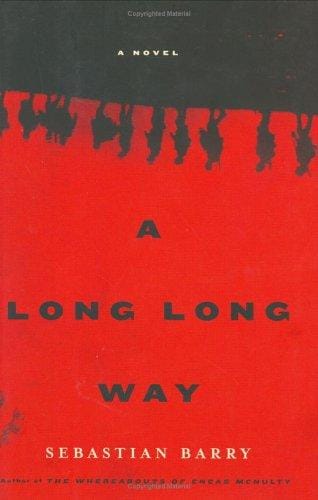
Willie Dunne, son of a Dublin police chief, goes to fight for Britain in 1914 — and returns, again and again, to a Ireland that is changing around him. Barry’s prose is so beautiful it aches. He writes about the Irish soldiers of the Great War who were largely forgotten by history because their sacrifice didn’t fit the nationalist narrative, and he gives them back their full humanity.
Where it takes you: The Irish National War Memorial Gardens in Dublin are a remarkable and undervisited site — dedicated to the 49,400 Irish soldiers killed in WWI. Pair a visit there with the battlefields of Ypres in Belgium, where so many of them died, and this novel will travel with you like a second heartbeat.
Setting: Sligo and County Roscommon, 1920s–present
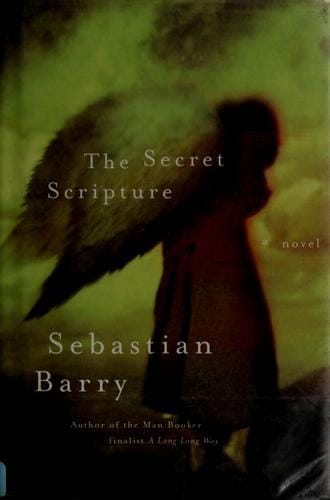
Roseanne McNulty, 100 years old and confined to a psychiatric hospital scheduled for demolition, writes her life story in secret. Her doctor, reading her account alongside the official records, finds two versions of the same history — and can’t determine which one is true. Barry’s novel is about the violence done to women in twentieth-century Ireland, the Church’s role in that violence, and the way truth survives even when the people who hold it are silenced.
Where it takes you: Sligo town and the wild northwest of Ireland — Yeats country, but Barry’s too. The landscape of bogs and grey skies and Atlantic wind that shaped both writers runs through this novel like a current.
A note for readers who want to take this further: in September 2027, Early & Away is leading a small-group reading retreat in County Clare, Ireland — timed with the Lisdoonvarna Matchmaking Festival and designed around the Celtic mythology that runs through so many of the books we love. The Burren landscape is one of the most extraordinary places in Ireland: ancient limestone, wildflowers, and the feeling that the Otherworld is very close.
Join the waitlist for Fated in The Burren →
Want to plan your own Irish literary trip? Let’s talk.
Trip announcements, curated reading lists, and the occasional dispatch — before anyone else.