
February 9, 2026
February is Black History Month, and if you know me, you know I believe the best way to understand history is to experience it — through the pages of a great novel and then, if you’re lucky, through the streets and landscapes where those stories unfolded.
Black historical fiction is doing extraordinary things right now — and not just in the United States. From the jazz clubs of Nazi-occupied Berlin to the battlefields of 1930s Ethiopia, from the Swahili coast of colonial Tanzania to a Caribbean island on the first morning of emancipation, these novels reach across continents and centuries to illuminate histories many of us never learned in school.
Every single one of them is rooted in a place you can visit, walk through, and feel for yourself. Here are twelve that deserve a spot on your shelf — and might just inspire your next trip.
Setting: Morocco, Florida, and the American Southwest, 1527–1536
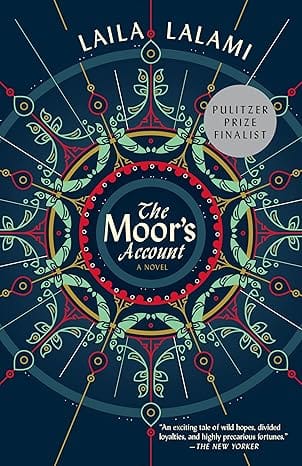
Lalami’s 2014 novel — a finalist for the Pulitzer Prize — imagines the memoir of Estebanico, a Moroccan slave who accompanied the disastrous Spanish Narváez expedition to Florida and was one of only four survivors out of six hundred men. The real Estebanico was granted exactly one line in the official Spanish record. Lalami, who was born in Morocco and immigrated to the United States, built an entire world from that single line, giving him back his full name, Mustafa al-Zamori, and the rich inner life he was denied: a childhood in the trading city of Azemmur, a family torn apart by debt, and a journey across an unknown continent where the Old World roles of master and slave slowly dissolve. She wrote it as a fictional Arabic-language memoir — essentially giving Estebanico the testimony history denied him. Part adventure epic, part meditation on who gets to tell history, it’s unlike anything else on this list.
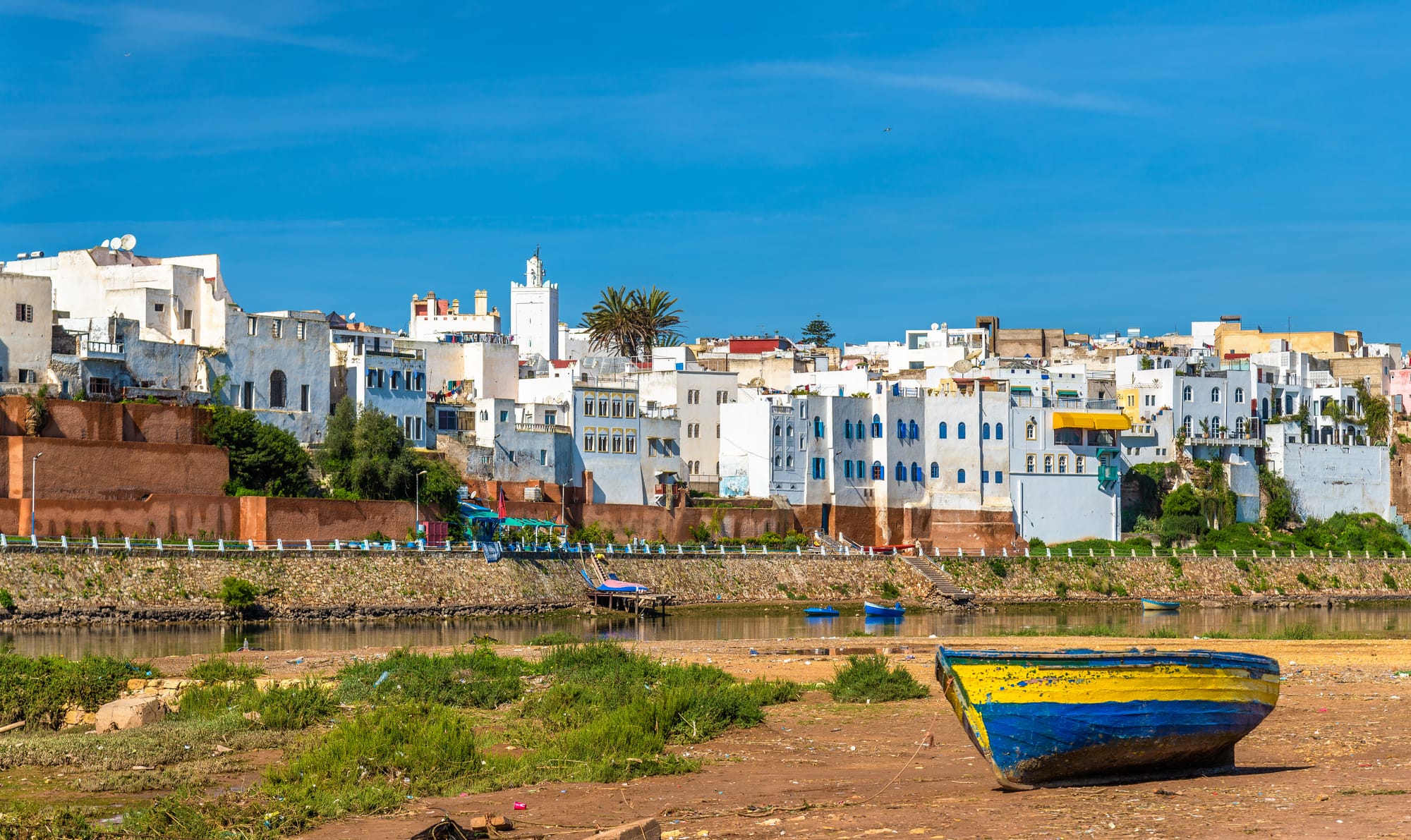
Where it takes you: The novel spans two continents. In Morocco, Azemmur (now Azemmour) is a small coastal city on the Oum Er-Rbia river, still largely unchanged and deeply atmospheric. In the Americas, the expedition’s route traces the Gulf Coast of Florida near Tampa Bay, then west through present-day Texas, New Mexico, and Arizona. This is a road trip through a version of the American Southwest most people have never imagined — one where a Moroccan Muslim was the first African explorer to cross it.
Setting: Berlin and Paris, 1939–1940 (and 1992)
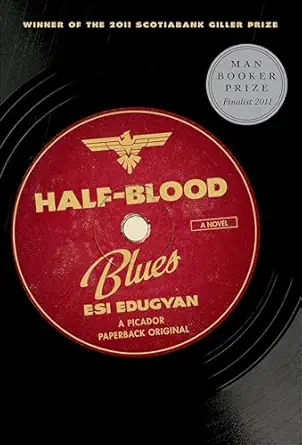
A young Black German jazz trumpeter, declared a musical genius by Louis Armstrong himself, is arrested by the Nazis in a Paris café. He’s twenty years old. He’s a German citizen. And he’s never heard from again. Fifty years later, his bandmate Sid — an African American from Baltimore who was there that day — goes back to Berlin, and the buried truth about what really happened begins to surface. Edugyan, a Canadian author of Ghanaian descent, spent years researching the Afro-German experience under the Third Reich and the jazz scene in interwar Berlin and Paris — a chapter of Black history almost nobody knows. Her 2011 novel won the Scotiabank Giller Prize and was shortlisted for the Man Booker Prize.
Where it takes you: This novel maps two extraordinary cities at two pivotal moments. The smoky cabaret world of 1930s Berlin lives on in the Schöneberg neighborhood where Black jazz musicians actually performed, and the Topography of Terror museum provides devastating context for the racial ideology that destroyed them. In Paris, the Montmartre jazz scene that sheltered artists between the wars is still walkable. And if you make it to the Sachsenhausen concentration camp memorial north of Berlin — where the novel’s Hieronymus Falk was likely sent — you’ll understand why Edugyan called this a story about silence as much as music.
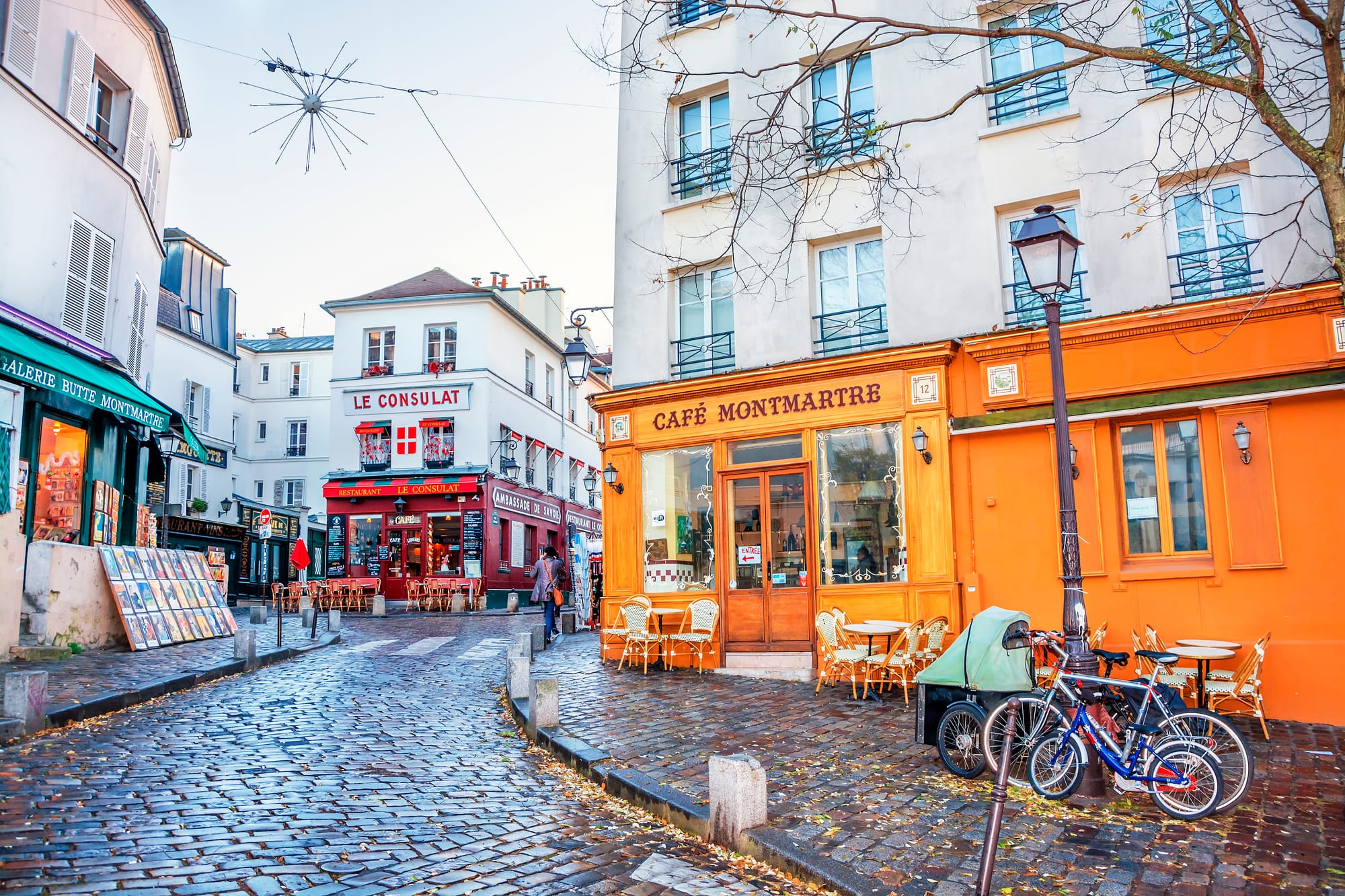
French street in Montmartre district with small houses are located cafes, restaurants and art galleries
Setting: Ethiopia, 1935
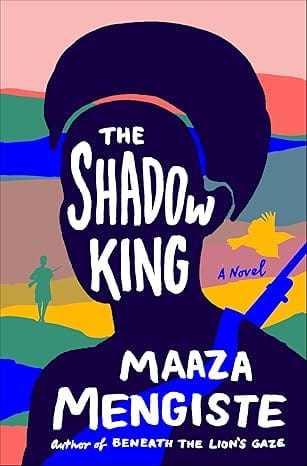
When Mussolini’s army invades Ethiopia, recently orphaned Hirut is working as a maid in the household of an officer in Emperor Haile Selassie’s army. After the emperor flees into exile and Ethiopian morale crumbles, Hirut helps disguise a peasant as the emperor and becomes his fierce guard — inspiring other women to take up arms. Mengiste, an Ethiopian-American author whose own family fled Ethiopia during the revolution, spent years tracking down stories of women combatants who were systematically erased from the historical record. She was inspired by photographs from Project 3541, an Italian military archive documenting the 1935 invasion. Shortlisted for the 2020 Booker Prize, her 2019 novel is a war story built on a history most Western readers have never encountered. Mengiste’s prose reads like a battle hymn.
Where it takes you: Ethiopia is one of the most extraordinary travel destinations in Africa, and this novel opens it from a completely different angle than the typical tourist trail. Addis Ababa’s National Museum holds artifacts from this period, and the Menelik Palace offers context for the imperial history at the novel’s core. Beyond the capital, the northern highlands where much of the fighting took place — the regions around Gondar and the Simien Mountains — combine stunning landscapes with living history. Mengiste herself was inspired by wartime photographs now archived in the online Project 3541.
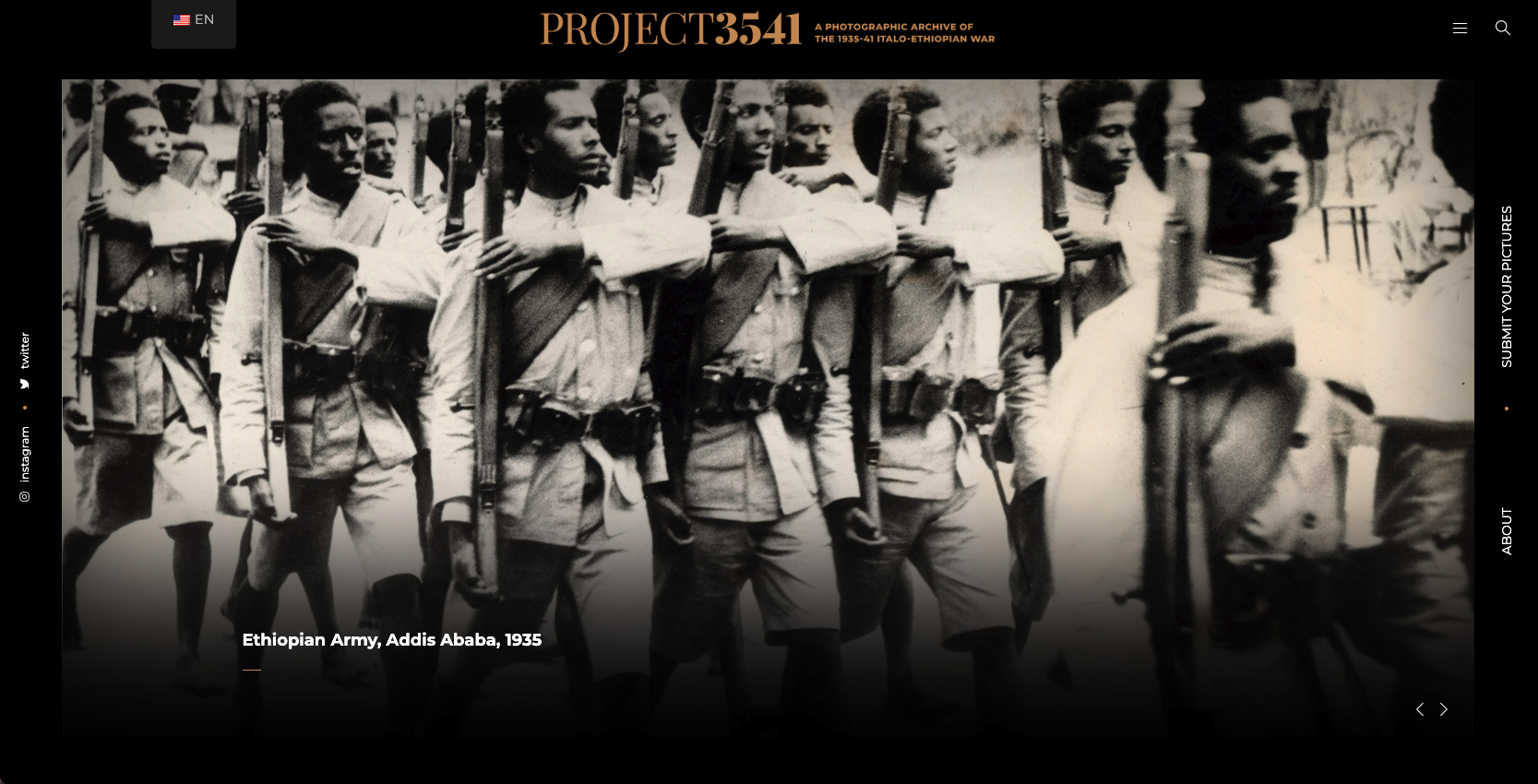
Website for Project 3541. https://www.project3541.com/
Setting: The Swahili Coast, Tanzania, Early 1900s–1960s
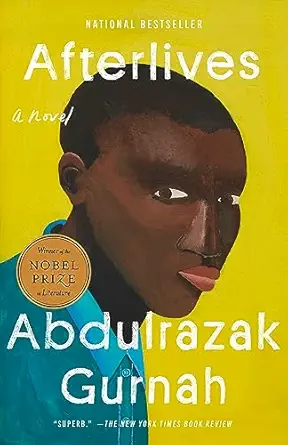
A boy stolen from his parents by German colonial troops. A young man sold into military service. A woman rescued from cruelty and slowly building a new life. Gurnah, who was born in Zanzibar and has lived in England since 1968, follows these interconnected lives across decades of colonial rule — first German, then British — on the coast of what is now Tanzania. Published in 2020 — the year before Gurnah won the Nobel Prize in Literature — Afterlives draws on colonial-era German military records and oral histories from the Swahili coast, including accounts of the Schutztruppe, the German colonial forces that conscripted African soldiers. The novel was shortlisted for the Orwell Prize and longlisted for the Walter Scott Prize. There’s no melodrama here, just the quiet devastation of ordinary people caught in the machinery of empire, rendered in prose of extraordinary calm and precision.
Where it takes you: The coastal town of Tanga, where much of the novel unfolds, is a real Tanzanian port city with German colonial architecture still standing along its streets. Gurnah was born in Zanzibar, and the island’s Stone Town — a UNESCO World Heritage site — provides essential context for the Swahili coast culture that runs through all his work. For travelers willing to go beyond the safari circuit, eastern Tanzania offers a layered history of Arab, Indian, German, and British influence that this novel brings to life.
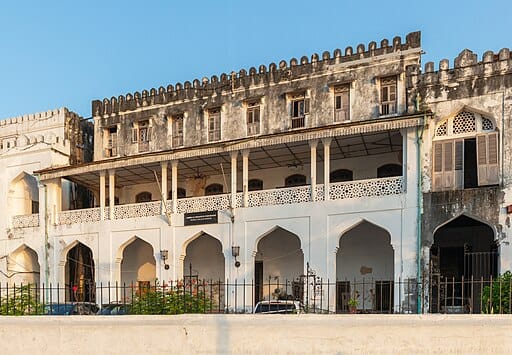
Palacio del Sultán, Stone Town, Zanzíbar, Tanzania. Photo by Diego Delso, CC BY-SA 4.0, via Wikimedia Commons
Setting: London, 1950s
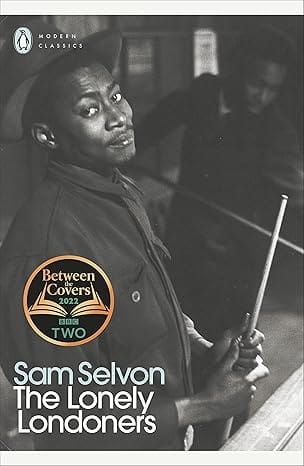
Selvon’s 1956 masterpiece follows Moses Aloetta and a cast of Caribbean immigrants navigating post-war London — finding work, finding housing, finding each other, and finding that the “mother country” they’d been taught to revere doesn’t particularly want them. The novel draws entirely from Selvon’s own experience: he arrived in London from Trinidad in 1950, lived in immigrant hostels, and modeled his characters on the people around him. He famously tried writing it in standard English first but found the language couldn’t carry the truth, so he pioneered using Trinidadian Creole for both dialogue and narration — a decision that scholars now recognize as one of the most important innovations in postcolonial literature. Selvon received two Guggenheim Fellowships and an honorary doctorate from Warwick University. The novel was selected for the BBC’s “Big Jubilee Read” list of 70 essential books in 2022, and was adapted for the stage in 2024 and 2025. There’s no conventional plot — just the daily texture of immigrant life in a city that is simultaneously full of promise and deeply hostile.
Where it takes you: The London of the Windrush generation is still very much walkable. Waterloo Station, where Moses meets each new arrival off the boat-train from Southampton, is your starting point. From there, Notting Hill and Bayswater (which the characters call “the Gate” and “the Water”) were the down-at-heel neighborhoods where Caribbean immigrants could actually find lodging. Today, the Notting Hill Carnival — the largest street festival in Europe — is a direct descendant of the community Selvon wrote about. The Black Cultural Archives in Brixton and the Windrush monument at Waterloo station provide deeper context. For anyone who thinks they know London, this novel will show you a completely different city.
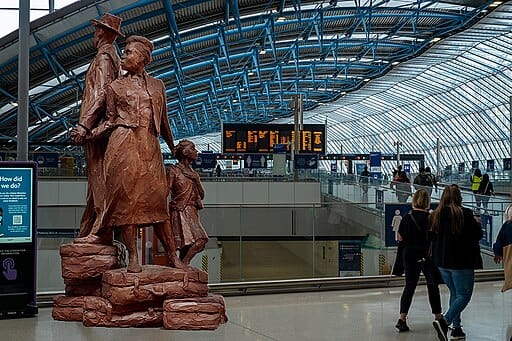
Windrush monument at Waterloo station. Photo by Department for Levelling Up, Housing and Communities , Windrush Commemoration Committee, and Kemi Badenoch MP, OGL 3, via Wikimedia Commons
Setting: Barbados and the Caribbean, 1834
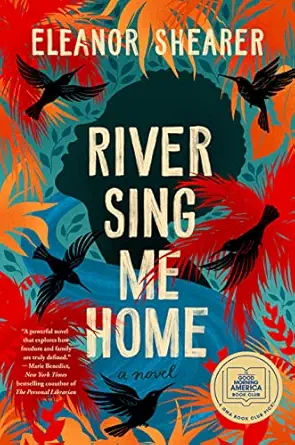
After Emancipation in 1834, Rachel flees the Barbados plantation where she was enslaved and sets out across the Caribbean to find the five children who were taken from her over the years. Shearer, the granddaughter of Windrush generation immigrants, studied the legacy of slavery and the case for reparations for her Master’s degree in Politics at Oxford — and her fieldwork in St. Lucia and Barbados directly inspired this 2023 debut. The novel is based on true accounts of women who searched for their stolen children after the British Emancipation Act. Named one of Time’s 100 Must-Read Books of 2023 and a Good Morning America Book Club Pick, it’s a quieter book than some on this list, but it accumulates enormous emotional power as Rachel moves from island to island, each one revealing a different version of what “freedom” actually looked like in those first raw years.
Where it takes you: Barbados and the wider Caribbean. The island’s plantation heritage sites, including the beautifully preserved St. Nicholas Abbey and the story of the Bussa Emancipation Statue, provide powerful context for understanding the world Rachel moves through. For heritage travelers, Barbados is increasingly positioning itself as a destination for exploring the full story of slavery and emancipation — not just the beaches.
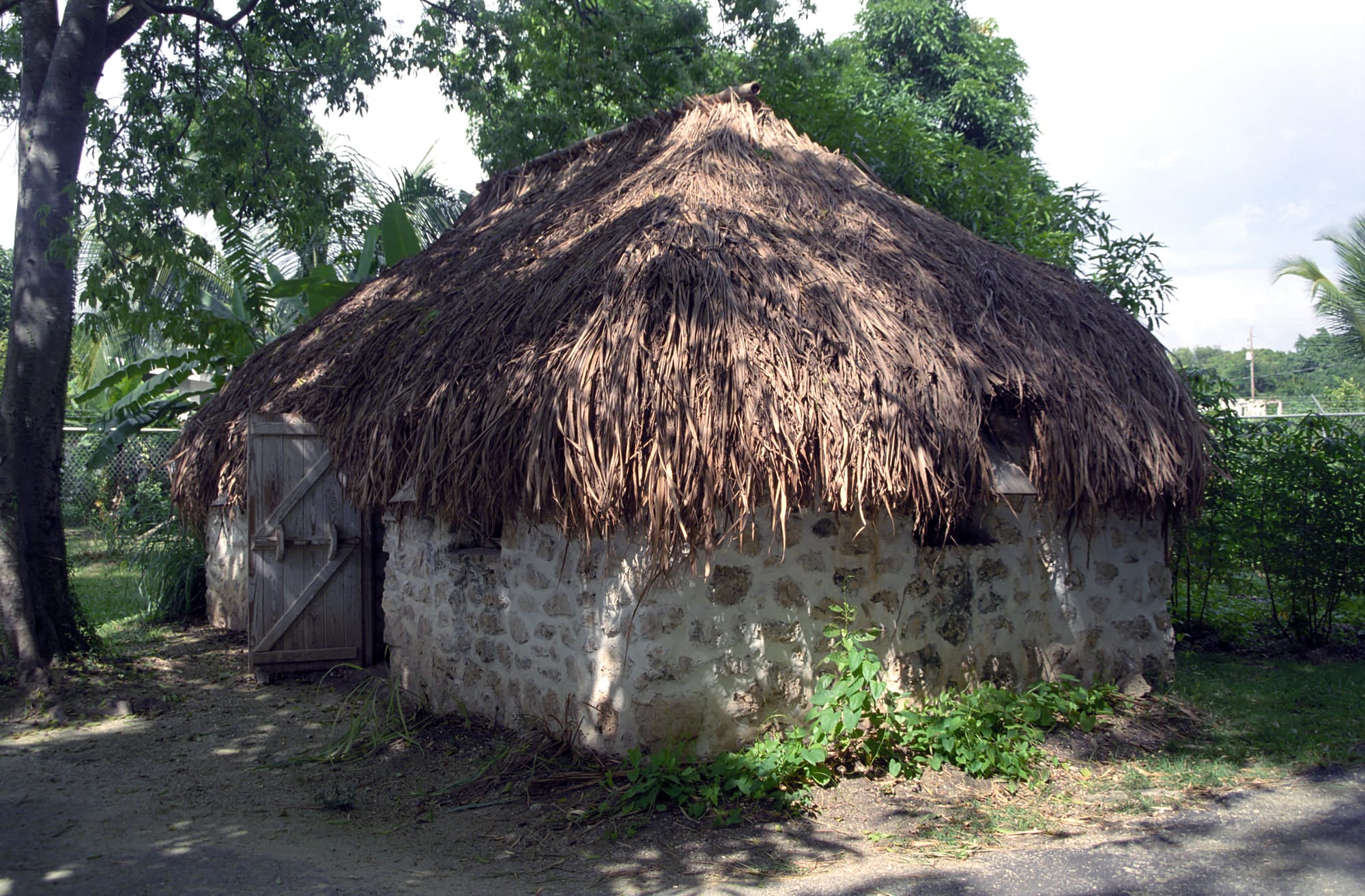
Slave hut, Tyrol Cot, Barbados
Setting: A Ruined Plantation in the Deep South, Before and After the Civil War
Rue is a midwife and healer on a remote Southern plantation so isolated that its Black inhabitants have barely seen white people since the war ended. She learned her skills — herbal medicine, midwifery, and something darker — from her mother, Miss May Belle. But when Rue delivers a baby with strange pale eyes, the community begins to turn against her, and secrets from slavery time start clawing their way to the surface. Atakora, born in the UK to Ghanaian immigrant parents and an MFA graduate of Columbia, built her 2020 debut from the WPA narratives — interviews with formerly enslaved people gathered by the Works Progress Administration in the 1930s. She also immersed herself in the hoodoo healing and midwifery traditions of the antebellum South. The novel structures its timeline in sections labeled Slaverytime, Wartime, Freedomtime, and the Ravaging — rejecting the idea that the Civil War was a clean break between bondage and liberty. Winner of the Society of American Historians Prize and named one of the best books of the year by the New York Times and NPR.
Where it takes you: The novel’s unnamed Deep South setting draws from the real landscape of plantation ruins across Georgia, South Carolina, and Alabama. The McLeod Plantation Historic Site on James Island, South Carolina, is one of the few plantation museums that centers the enslaved experience rather than the architecture. Atakora’s focus on folk medicine traditions also connects to the Gullah Geechee Cultural Heritage Corridor along the southeastern coast — a living culture with deep African roots.
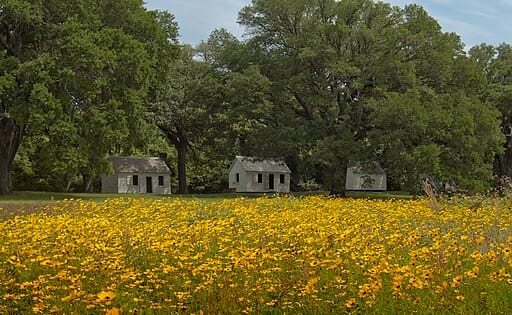
Enslaved cabins at McLeod Plantation Historical Site. Photo by CCPRC, CC BY-SA 4.0, via Wikimedia Commons
Setting: New York City, Early 1900s
Based on the true story of Belle da Costa Greene, the brilliant Black woman who served as J.P. Morgan’s personal librarian — while passing as white. Belle curated one of the most extraordinary rare book and manuscript collections in the world, all while guarding a secret that could destroy everything she’d built. Benedict first learned about Belle from a docent at the Morgan Library. She partnered with Murray specifically because Belle’s story demanded it — Murray is a Black author whose own grandmother also passed as white. Their research drew on nearly 600 of Greene’s letters to art historian Bernard Berenson, preserved at I Tatti in Italy, though Greene herself destroyed most of her personal papers before her death in 1950, making the gaps in the historical record part of the story itself. Published in 2021, the novel was a Good Morning America Book Club Pick and was nominated for the Goodreads Choice Award for Historical Fiction.
Where it takes you: The Morgan Library & Museum on Madison Avenue in Manhattan. You can walk through the very rooms where Belle worked and see the collection she assembled. It’s a stunning destination for any book lover, and knowing Belle’s story transforms the visit entirely.
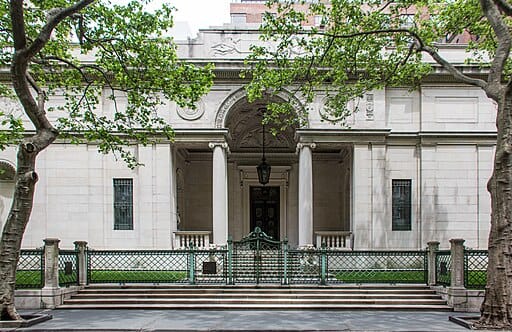
Morgan Library & Museum. Photo by Photograph by Mike Peel (www.mikepeel.net)., CC BY-SA 4.0, via Wikimedia Commons
Setting: Montgomery, Alabama, 1973
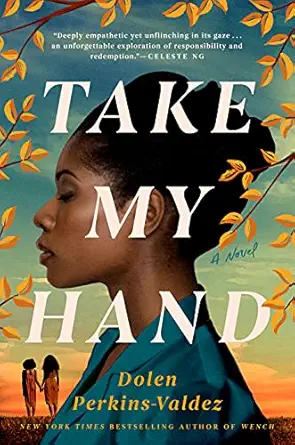
Based on the real-life Relf v. Weinberger case, this 2022 novel follows a young Black nurse who discovers that the family planning clinic where she works has been sterilizing poor Black girls without their consent. Perkins-Valdez, who holds a PhD and teaches at American University, spent years studying the Relf case — in which two Black girls in Montgomery, ages 12 and 14, were sterilized without informed consent at a federally funded clinic in 1973 — along with the broader, devastating history of coerced sterilization targeting Black women in America. Winner of the 2023 NAACP Image Award for Outstanding Literary Work in Fiction and the American Bar Association’s Silver Gavel Award, it’s a story about systemic racism embedded in institutions that were supposed to help — and it’s set within living memory, which makes it hit even harder.
Where it takes you: Montgomery, Alabama is one of America’s most important Civil Rights destinations. The Legacy Museum and the National Memorial for Peace and Justice (the lynching memorial created by the Equal Justice Initiative) provide devastating and essential context. Pair this novel with a visit and you’ll understand layers of Montgomery’s history that go far beyond what most tourists see.
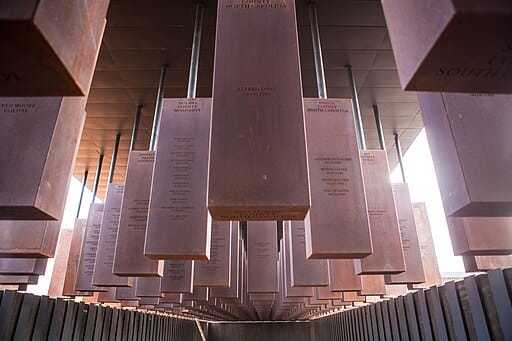
Memorial Corridor of the National Memorial for Peace and Justice. Photo by Soniakapadia, CC BY-SA 4.0, via Wikimedia Commons
Setting: Gracetown, Florida (fictional, based on Marianna), 1950
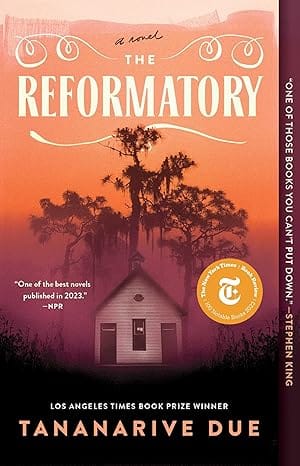
Due’s 2023 novel — seven years in the making — is deeply personal. Her great-uncle Robert Stephens died at the notorious Dozier School for Boys in Marianna, Florida in 1937 at age fifteen. Due didn’t learn he existed until 2013, when she was contacted by the Florida state attorney general’s office. She spent the next years making road trips to Marianna with her 88-year-old father, civil rights attorney John Due, attending survivor meetings, visiting the school’s ruins, and reading survivor memoirs alongside forensic anthropologist Erin Kimmerle’s investigations. She fictionalized the story to give her great-uncle what she called a “different story,” using elements of horror and the supernatural to, in her words, “blunt the pain of true-life monstrosity.” The ghosts in this novel are both literal and metaphorical, and they refuse to be forgotten. Winner of the Bram Stoker Award, the World Fantasy Award, the Los Angeles Times Book Prize, and the Shirley Jackson Award, and named a New York Times Notable Book.
Where it takes you: The Dozier School site in the Florida Panhandle is now a state-recognized memorial. The University of South Florida’s forensic investigations there have brought overdue attention to the boys who never came home. Due has spoken extensively about visiting the site and conducting research that informed the book — a powerful example of how on-the-ground research transforms fiction.
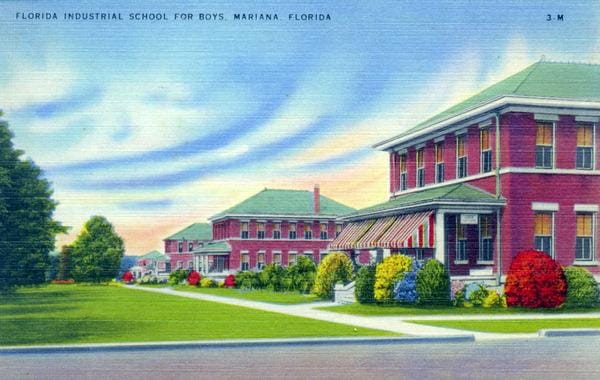
Dozier School for Boys. Photo by State of Florida, Public domain, via Wikimedia Commons
Setting: Philadelphia and Washington, D.C., 1950s
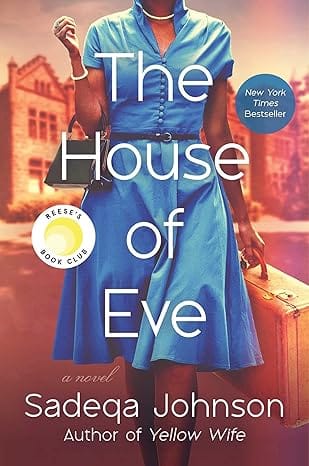
Two Black women in the 1950s navigate impossible choices shaped by race, class, and the rigid expectations of respectability. Johnson’s 2023 novel — an instant New York Times bestseller and a Reese’s Book Club Pick — was born from her own family history: her grandmother became pregnant with Johnson’s mother at age fourteen. That discovery led Johnson down a research path into homes for unwed mothers, where she found that facilities for Black girls were largely undocumented, their stories simply missing from the record. She eventually uncovered the Florence Crittenton Home for Girls, which became the basis for one character’s story. For the novel’s Howard University chapters, Johnson drew on Lawrence Otis Graham’s Our Kind of People and incorporated the real-life Dorothy Porter, the Howard librarian who built one of the world’s largest collections of African and African American art. The novel was also a finalist for the Goodreads Choice Award and an NAACP Image Award nominee.
Where it takes you: Philadelphia’s historic Black neighborhoods, the campus of Howard University in D.C., and the broader landscape of mid-century Black middle-class life along the Eastern Seaboard. These are neighborhoods with rich stories that most travel guides completely overlook.
Howard University. Photo by David Schultz / Unsplash
Setting: Rural Tennessee, 1913
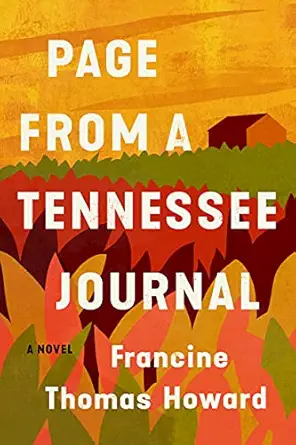
Based on a well-guarded family secret about her own grandparents, Howard’s 2010 debut novel is set on a tobacco farm in Jim Crow Tennessee, where the tangled relationships between a Black sharecropping family and the white family that owns the land reach a breaking point. Howard, who is of African, European, and Native American heritage, left a career in pediatric occupational therapy to preserve the oral histories of her family tree — and this novel grew from one particular secret she couldn’t stop turning over. When Annalaura’s husband disappears, leaving her alone with four children and a tobacco crop to bring in, survival forces impossible choices. One of four manuscripts selected internationally through the Amazon Breakthrough Novel Contest for publication by AmazonEncore, the novel was praised by Booklist for “admirably revisiting a painful time in history.” Howard avoids easy moralizing and instead gives every character — including the white landowner who crosses racial lines — a fully rendered interior life. It’s a novel about power, desire, and the way Jim Crow deformed everyone it touched.
Where it takes you: Tennessee’s tobacco country in the rural counties east of Nashville. The landscape of sharecropping — the small plots, the curing barns, the crossroads churches — is still visible if you know where to look. Pair this with a visit to the National Museum of African American Music in Nashville and the Tennessee State Museum’s exhibits on Reconstruction and Jim Crow for full historical context. Heritage travelers tracing family roots through Tennessee’s agricultural communities will find this novel an essential companion.
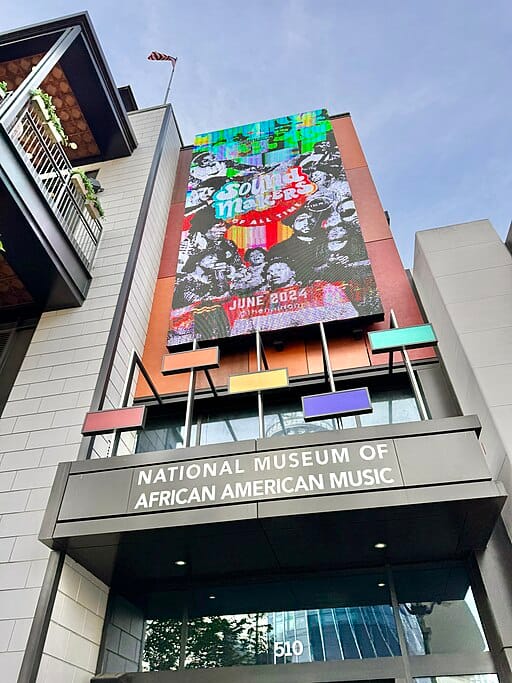
National Museum of African American Music. Photo by Warren LeMay from Chicago, IL, United States, CC BY-SA 2.0, via Wikimedia Commons
This list crosses three continents and five centuries — from sixteenth-century Morocco to 1970s Alabama, from the Swahili coast to the London Underground. That’s deliberate. Black history is global history, and the best historical fiction reflects that.
If you’re a writer researching your own historical fiction, these books are masterclasses in how sense of place shapes narrative. If you’re a book club looking for reads that spark deep conversation and inspire your next group trip, this list is your starting point. And if you’re a heritage traveler tracing your own family’s story across the diaspora, these novels provide emotional and historical context that will deepen every step of your journey.
History lives in places. These authors knew that. And the best way to honor their work is to read the book — and then go walk the ground.
Want to walk the ground with your book club? We plan for groups who want to go beyond the page.
Trip announcements, curated reading lists, and the occasional dispatch — before anyone else.


.jpg)